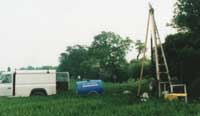
Hydro-ecology is used to determine the conditions before, during and after mineral extraction and allows the avoidance or reduction of adverse effects on wetland habitats.
The excavation of land for minerals such as sand and gravel, clay or rock can have adverse effects on saturated permeable rocks (aquifers) that supply wetland habitats. This is by lowering groundwater levels which in turn affects water flows into river beds (base flow) and into the springs and seepages on which wetland rely.
FACT: A key test of a sustainable development is the extent to which biodiversity remains uncompromised by development.
WHICH MEANS THAT: An environmentally sustainable development should not adversely affect the wildlife habitats with which it is directly or indirectly associated and wherever possible should enhance those habitats.
WATER AND WETLANDS are under threat from development, abstraction and non-point source pollution and they are priority habitats in Biodiversity Action Plans.
|
Copyright © The Environmental Project Consulting Group 2002 |
|